Stories from The Allegheny Front archived under
drinking water
Algae Causes Toxic Drinking Water, Call to Action
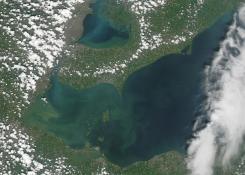
Toxic tap water in Toledo was no surprise to researchers who monitor Lake Erie. The international community has been calling on Ohio and other Great Lake states to reduce the amount of phosphorus running off farms and from wastewater treatment plants into the lake. They're hopeful that now that call will be heard.
Lake Erie Algae Threatens Ohio Drinking Water

This year the amount of harmful algae forecast for Lake Erie is predicted to be less than previous years. But it's likely to still be significant, coating some parts of the western basin in toxic green slime. Under certain conditions, even moderate blooms can produce levels of harmful toxins that threaten drinking water across the basin.
Funding Cuts Could Bite Deep into Great Lakes Restoration

Federal cuts are already projected to reduce Great Lakes cleanup funding by 25-percent and environmental groups worry that Congress could
How Safe Is Pennsylvania Well Water?

Next to Michigan, Pennsylvania has the largest number of residents who get their drinking water from private wells.
Great Lakes Cities Worry About Radioactive Shipment
Leaders in 70 cities around the Great Lakes region, including Erie, Pennsylvania, are concerned with a power company's plans to ship
Getting Chemicals Out of Drinking Water

Some chemicals are getting into drinking water, and it's not so easy to get them out.
Think Globally, Drink Locally
Some people have been looking at our relationship with water from a completely different perspective.
15th Anniversary of Water Crisis

Fifteen years ago, 400,000 people got sick and more than 100 died from contaminated drinking water.
Imported Bottle Water
Environmentalists have been concerned about bottled water. They say it wastes plastic and uses a lot of fuel to transport it.
High Levels of a Contaminant Found In Monongahela River
Last week, Pennsylvania state officials recommended that people who live along a 70-mile stretch of the Monongahela River drink bottled w