Stories from The Allegheny Front archived under
Lake Erie
New Regulations Target Algae Blooms in Lake Erie

New limits on phosphorus runoff could help reduce toxic algae blooms in Lake Erie.
Ohio Farmers Point to Algae Law Loophole

Ohio farmers are defending their voluntary efforts to reduce phosphorus runoff to Lake Erie. That runoff is the primary source of toxic algae blooms. But Ohio farm groups and environmentalists say a new state law that will certify fertilizer use doesn't go far—or fast—enough.
Algae Causes Toxic Drinking Water, Call to Action
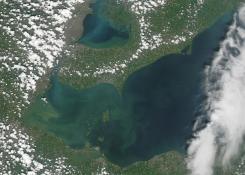
Toxic tap water in Toledo was no surprise to researchers who monitor Lake Erie. The international community has been calling on Ohio and other Great Lake states to reduce the amount of phosphorus running off farms and from wastewater treatment plants into the lake. They're hopeful that now that call will be heard.
Lake Erie Algae Threatens Ohio Drinking Water

This year the amount of harmful algae forecast for Lake Erie is predicted to be less than previous years. But it's likely to still be significant, coating some parts of the western basin in toxic green slime. Under certain conditions, even moderate blooms can produce levels of harmful toxins that threaten drinking water across the basin.
Offshore Wind Energy Faces Setbacks in Great Lakes

The United States is not yet generating a watt of energy from commercial offshore wind. A couple of years ago, it looked like the Great Lakes might lead the nation. But now some are sounding the death knell for any wind development in the Great Lakes.
Exploring Great Lakes History at New Museum

If you’ve ever wanted to step foot on a ship as old as the Titanic, you can do that at the new National Museum of the Great Lakes. It opened this spring in Toledo. The museum’s creator hopes you’ll walk away with a much better appreciation of Great Lakes history.
International Call for PA to Limit Lawn Chemicals

Farms and wastewater have gotten a lot of attention for contributing nutrients that create harmful algal blooms in Lake Erie and the Chesapeake Bay. More recently, the spotlight has focused on lawn care. International regulators and others are pushing Pennsylvania to ban some lawn fertilizers.
A Closer Look at Toxic Algal Blooms in Lake Erie

Big, ugly algal blooms have become a regular occurrence in the western, and sometimes the central basin, of Lake Erie. The blooms happen when excess nutrients—mostly phosphorus—run off into the lake from farms and sewage treatment plants. And scientists predict climate change could make the problem worse.
Farm Runoff is Polluting Lake Erie, New Report Says

A new report called "Taken By Storm" released by the National Wildlife Federation is highlighting the issue of excessive fertilizer runoff into Lake Erie. The resulting algal blooms can seriously impact the health of those who rely on its water.
EPA Recommends Taking Presque Isle Bay Off Toxic List

The federal government is just weeks away from deciding whether to take a popular Lake Erie recreation area in Pennsylvania off the list of the Great Lakes’ most toxic hotspots. But some local residents remain skeptical about whether the change of status is warranted.